Signs you need electrical testing & certification and what to do next
Why electrical testing and certification matters
An up-to-date electrical test gives a clear, technical picture of the safety and condition of your installation. For homeowners, landlords and businesses in New Mills, Stockport and the High Peak, that certificate is evidence that circuits, earthing and protective devices are functioning correctly. It reduces fire risk, protects people and appliances, and is often required after rewires, new consumer units or before a property change of use.
The phrase to look for is electrical testing and certification, which covers periodic inspections, EICRs, and portable appliance testing, known as PAT.
Common signs you need testing now
1. Tripping RCDs or breakers, or frequent fuse changes
If an RCD or MCB trips repeatedly, that points to a fault on a circuit, poor earthing, or a failing RCD. Persistent trips are not normal and require a fixed wiring test to identify earth leakage and circuit integrity.
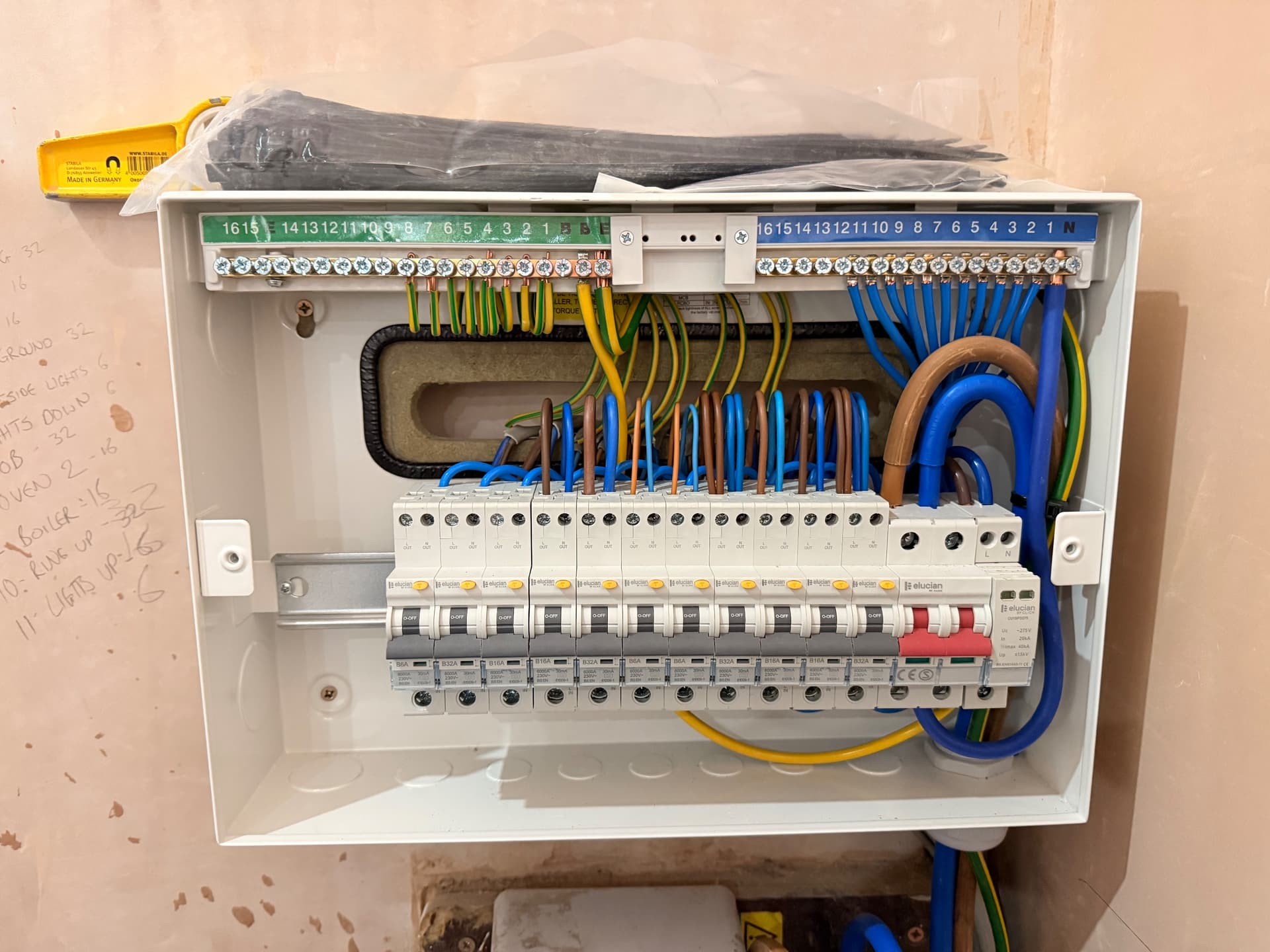
2. Old fuse boxes, rewire or consumer unit not upgraded
Properties with old rewireable fuses or dated consumer units can lack modern protective devices. If your house is Victorian, a stone-built cottage or a 1970s semi, consider a test before adding load from EV chargers or modern heating controls.
3. Sockets warm to the touch, burning smells or scorch marks
Any overheating at sockets, switch plates or consumer units is a high priority. These symptoms can indicate poor connections, overloads or arcing and should trigger an urgent inspection.
4. DIY electrical work or recent building work
Loft conversions, extensions, kitchen refits and amateur wiring can introduce faults. Testing after any structural alteration confirms compliance and safety before plaster and finishes hide the works.
5. New high-draw equipment, EV charger or solar battery system
Fitting an EV chargepoint or adding solar PV and battery storage changes load profiles and earthing arrangements. An electrical test will confirm capacity and protective device suitability.
6. Buying, selling or letting a property
Landlords in England must have an electrical inspection at least every 5 years. For buyers and sellers, an EICR protects both sides and highlights remedial work before completion.
7. Persistent nuisance from appliances or unexplained power loss
Intermittent faults and unexplained trips often point to deteriorating insulation or wiring faults. A diagnostic test isolates the problem quickly.
What tests you will see and what they show
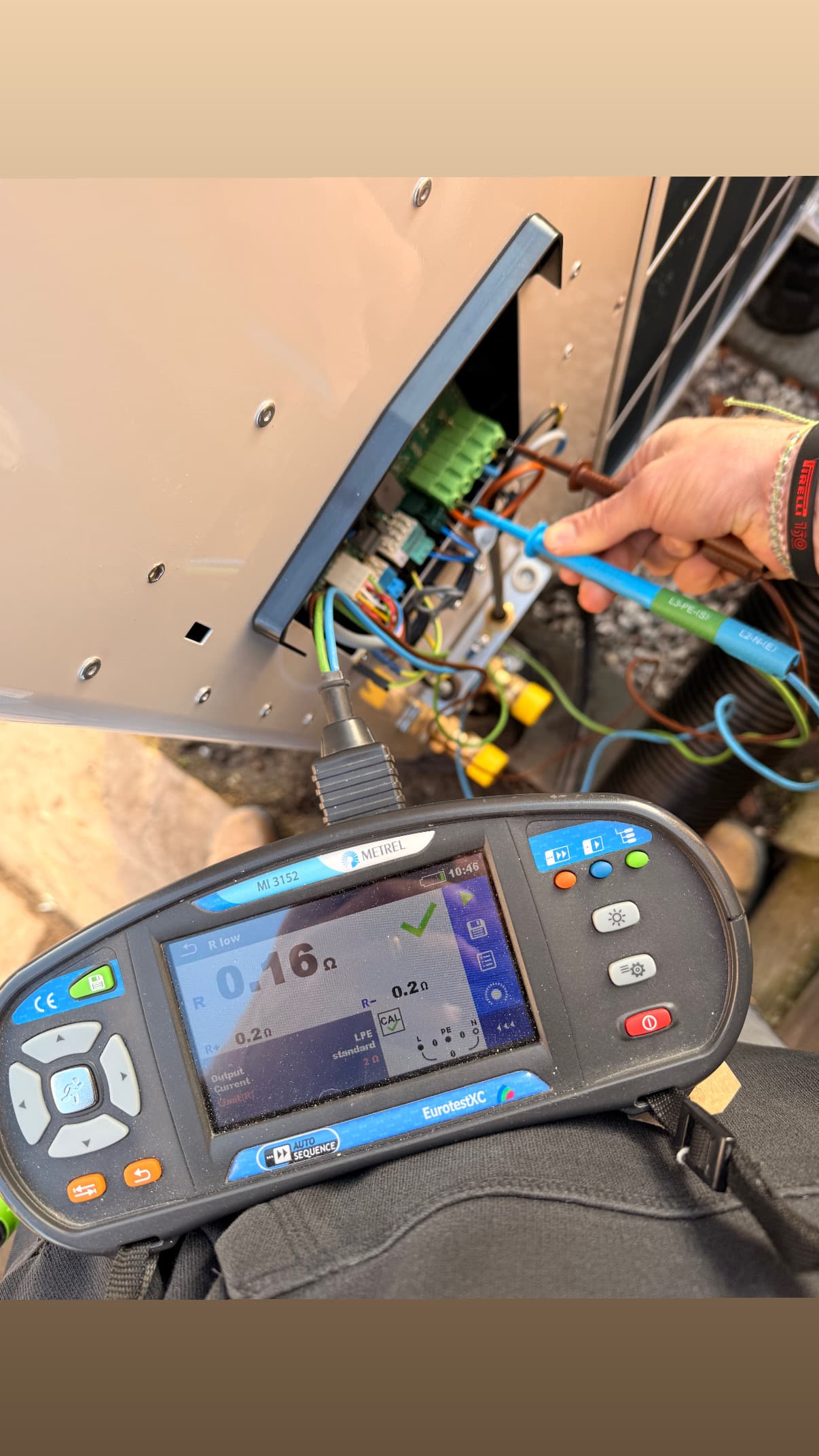
- EICR, also called a periodic inspection, checks fixed wiring and issues a report and certificate. Tests include continuity, insulation resistance, earth loop impedance and polarity.
- PAT testing covers portable appliances, checking earthing, insulation and plugs for kettles, tools and extension leads used on site or in a business.
- Partial or full rewire verification after major works confirms that new circuits are correctly wired and protected.
EICR outcomes use codes such as C1 for danger present, C2 for potential risk requiring improvement, C3 for not meeting current standards but not urgent, and FI for further investigation required. Certificates include recommended remedial actions.
Practical steps to take once you suspect a problem
- Stop using a suspect circuit or appliance. If you smell burning or see smoke, isolate the supply and call for an emergency visit.
- Book a registered electrician to carry out an EICR or PAT. Look for NAPIT or TrustMark accreditation when choosing a contractor; these bodies demonstrate compliance with current regulations.
- Prioritise work flagged C1 and FI. These are immediate safety risks and should be rectified before normal use resumes.
- Keep the certificate and remedial invoices with your property records. Future buyers, insurers and landlords will expect documentation.
- Plan for follow up testing. For rented properties adhere to the five year requirement, and for owner occupied homes consider a periodic schedule based on property age, history and usage.
How to prepare for a test
- Make reasonable access to cupboards, loft spaces and consumer units.
- Unplug fragile equipment and label circuits if known to speed diagnostics.
- If the property feeds outbuildings or EV chargers, show the electrician where these are located.
Choosing the right electrician
Choose a NAPIT or TrustMark accredited electrician who issues full EICRs and PAT certificates. Donaghue Electrical Solutions Ltd has 20 years' experience carrying out domestic and commercial inspections across New Mills, Stockport and the High Peak. The team offers same-day emergency response for urgent defects, clear written reports, and a 12 months workmanship guarantee on remedial work.
Final checks and record keeping
After remedial work, ask for a follow up certificate and itemised report. Keep digital and paper copies with your home file. If you plan to install an EV charger or solar battery, schedule testing before and after the installation to ensure safe integration.
If you notice any of the signs above or need an EICR, PAT test or a follow up inspection in New Mills, Stockport or surrounding towns, contact Donaghue Electrical Solutions Ltd for a prompt assessment. Call 07876224846 or email tom@donaghue-electrical.uk to arrange a visit or to discuss your certification requirements.